Öffentlich
Es sind noch 0 von 1 Plätzen verfügbar.
/1b437abb-20d7-48a8-b12c-0e1dc964aa2a.jpg.429x142_q85_box-0%2C140%2C429%2C282_crop_detail.jpg)

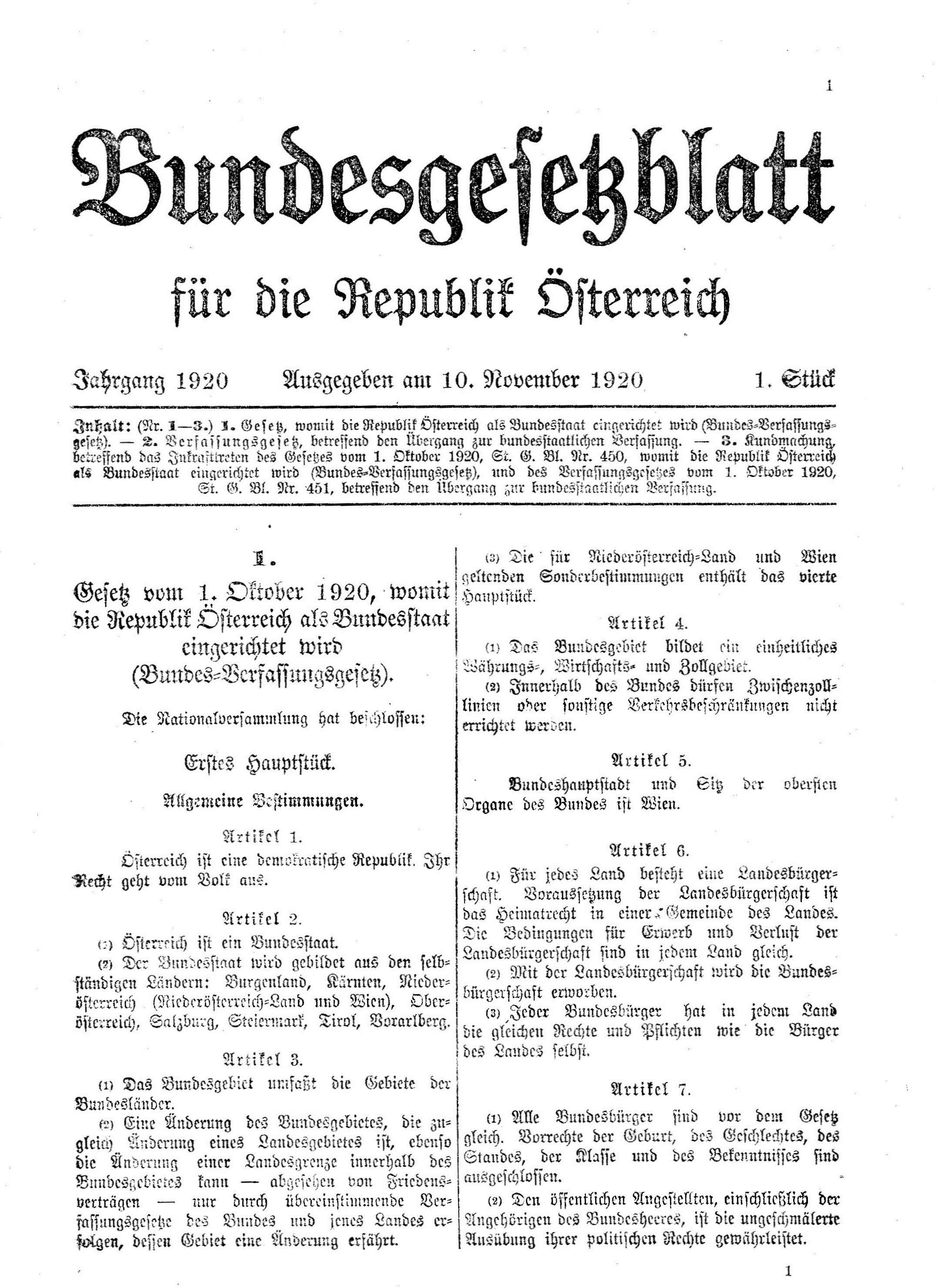
The obligation of equal treatment and the prohibition of discrimination are enshrined in the Austrian Federal Constitutional Law:
Since 2004, the Equal Treatment Act which incorporated the EU Directives 2000/43/EC (Anti-Racism Directive) and 2000/78/EC (Equal Treatment Framework Directive) has served on the federal level.
Persons with disabilities are largely exempt from the Equal Treatment Act and enjoy full protection under two separate federal laws, the Disability Employment Act (BEinstG) and the Federal Disability Equality Act (BGStG).
In addition to the federal Equal Treatment Act, provincial Equal Treatment Acts and provincial Anti-Discrimination Acts have been enacted as mentioned earlier.
This large number of laws is due to the constitutional division of competences between the Federation and the states. Thus, the states may for example regulate discrimination in all areas themselves, such as access to and provision of goods and services available to the public, including housing in the area of sovereign administration of the state and the municipality.
No one shall, on any ground of discrimination, be treated less favourably in a comparable situation than anyone else is, has been or would be treated in a comparable situation.
Put simply: No one may discriminate against, harass, sexually harass or instruct any person to engage in any of these behaviors on the basis of any type of discrimination. Nor may anyone discriminate against, harass or sexually harass a person on the basis of a close relationship with another person due to that person's sex, ethnicity, religion or belief, age or sexual orientation.
The picture below elucidates which discrimination characteristics are personal characteristics in the sense of the Equal Treatment Act and what their manifestation is. Go ahead and run your mouse over the cards to see what they entail.
Session wird geladen ...
Viewer: 0